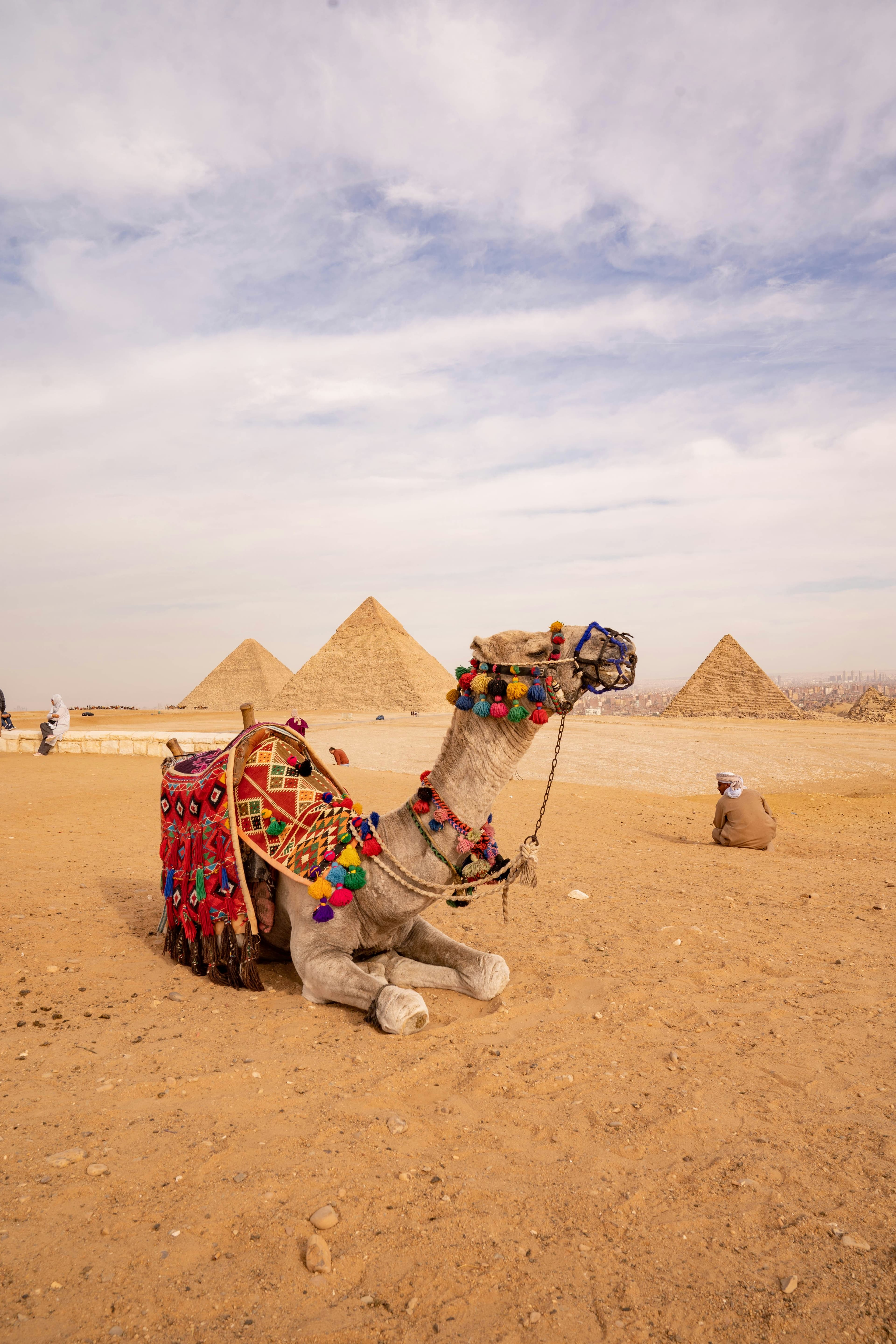
Cairo rewards travellers who move with intention: early starts, clear ride rules, and room for improvisation when traffic says no.
The taxi from Cairo International smells of cardamom and diesel. It's 11pm and the city is in full voice — horns, a wedding procession crossing a flyover, the distant call to prayer threading through everything like a second radio station. You're not arriving somewhere. You're being absorbed.
That's Cairo's opening move. It overwhelms before it explains itself. But give it 48 hours and something shifts: the chaos reveals its internal logic, the warmth of strangers stops feeling transactional, and the city — 22 million people stacked on 5,000 years of accumulated civilisation — starts to feel less like a place and more like a living argument for why humans are extraordinary.
Cairo is not for the passive traveller. It rewards curiosity, patience, and a willingness to engage. Those who bring those qualities leave permanently altered. Those who don't tend to complain about the traffic.
What nobody tells you
The noise starts at 4:30am. The first call to prayer in Cairo is not a distant murmur. In any neighbourhood with a mosque nearby — which is every neighbourhood — it is present, close, and the most effective alarm clock you've never asked for. Pack earplugs if you sleep lightly. The tradeoff is that you wake up in Cairo, which is a fair deal.
The air quality requires acknowledgement. Cairo consistently ranks among the world's most polluted urban environments, particularly in autumn when agricultural burning in the Delta adds to the city's baseline. A lightweight mask for heavily trafficked outdoor walks is pragmatic, not overcautious.
Egyptians will feed you without asking. Accept tea when it's offered at a carpet shop even if you will not buy a carpet. The hospitality is structural, not performative — it is one of the things visitors most consistently report being unprepared for.