EgyptBound
EgyptBound
Insider
Chat on WhatsApp

© 2026 EgyptBound. All rights reserved.

Egypt insider travel · 2026

HurghadaRed Sea Resort Town — Diving, Beaches, and the Easy Gateway to Reef Life

Hurghada is where you come if you want Red Sea diving without the backpacker roughness of Dahab — comfort, convenience, and the reef at your doorstep.

Hurghada is Egypt's largest Red Sea resort town — a purpose-built destination that grew from a small port in the 1980s into a full infrastructure for beach holidays and diving tourism. The town stretches along the coast for over 40km with resorts, dive shops, restaurants, and water-sports operators catering to international tourists. Unlike Dahab's backpacker charm or Sharm el-Sheikh's corporate scale, Hurghada occupies a middle ground — developed enough to have reliable services and international standards, but still maintaining some sense of place and offering genuine value. The reef is exceptional, the diving is accessible, and the infrastructure is straightforward. This guide covers how to dive Hurghada properly, which reefs matter, where to stay without paying resort premiums, and how to move beyond the all-inclusive bubble.

Best timeOctober to April
VibeResort-oriented, Water-focused, Accessible, Comfortable
Price range$$ - Affordable to Mid-Range
Ideal forBeach Lovers, Divers & Snorkelers, Water-Sports Enthusiasts, Families

Travellers often pair this with:

Hurghada, Egypt
Verified 2026
Best month to visit
November
Crowd level
Budget per day
$35–75
Days recommended
3–4 nights
The inside story

Editorial guide — updated for how travellers actually move through the city today.

Hurghada is where you come if you want Red Sea diving without backpacking — comfort, convenience, and the reef at your doorstep.

The town did not exist 40 years ago. In the 1980s it was a small fishing port. In the 1990s, divers discovered the Red Sea, and Hurghada grew from scratch into a full beach and diving resort destination. The growth was rapid and often chaotic; the result is a sprawling string of hotels, restaurants, and dive shops stretched along the coast without much urban planning or charm. But this chaos has an advantage: Hurghada is cheap. The competition between dive shops, hotels, and restaurants is fierce. The infrastructure is straightforward. The reef is exceptional. You can arrive, book a dive, eat well, and return to a comfortable hotel room without difficulty.

The town lacks the romance of Dahab's backpacker culture or Luxor's historical weight. What it offers instead is reliability, accessibility, and enough choices to avoid the all-inclusive resort trap if you want to. The marina area is developed; restaurants range from local kebab stands to international seafood; dive shops are numerous and competitive. The diving is world-class — the Red Sea's reefs remain among the healthiest in the world, and Hurghada provides access at recreational prices and skill levels.

Most visitors come for the diving and water-sports. Many stay in mega-resorts and never see the actual town. It is possible to visit Hurghada and experience nothing but the hotel and the reef — which is fine if that is your goal. But an hour outside the resort bubble reveals a functioning Egyptian resort town with actual food, actual people, and a much better understanding of what you are paying for.

Three to four nights is the right amount. One day for acclimatization and a first dive or snorkel trip. Two days for serious diving or multiple water-sports activities. A fourth day for exploring outside the immediate tourist zone — the coastline drive, the marina, the town itself — or for a relaxed second day at Giftun Island.

What nobody tells you

The all-inclusive resort is a trap. Most visitors book all-inclusive packages and never leave. The food is mediocre, the drinks are limited, and you pay premium prices for convenience. The actual town has better restaurants, better value, and more interesting meals. Book a hotel without meals and eat in town instead.

Hurghada is expensive compared to Dahab. Prices have risen significantly. If cost is the primary concern, Dahab offers better value — lower accommodation costs, cheaper diving, and a more relaxed pace. Hurghada is for convenience and comfort; Dahab is for budget and culture.

The main reefs are crowded. Popular sites like Giftun and Careless Reef have dozens of boats some days. If you want solitude, you need to dive less-popular sites or go with smaller operators that limit group size. Ask your dive shop about crowd levels before booking.

The Red Sea has strong currents. Afternoon dives are often choppy and difficult. Morning dives — departing by 8am — are significantly better. If you get seasick, take medication before boarding the boat. The Red Sea can be rough even on days that look calm on shore.

The coastline drive is worth the time. North toward Safaga or south toward El Quseir, the coast is dramatic and nearly empty. The cliffs, the Bedouin settlements, the small restaurants on the water — this is a different Egypt than the resort zone. A full-day drive is easily worth the car rental cost.

The marina is worth an evening. It is touristy and overcrowded, but it is also where the town reveals itself — workers heading home, families eating dinner, the actual mix that keeps the place running. Eating at a small marina restaurant and watching the sunset is a legitimate Hurghada evening.

Diving certification is worth getting here. If you do not have certification, the Open Water course is offered by every dive shop and is cheaper in Hurghada than almost anywhere else. Many people come for the course and stay for the diving. The course takes 3–4 days and opens the Red Sea to you.

Curated by locals

Top experiences in Hurghada

Real picks from the ground — not a checklist copied from a decade-old guidebook.

Giftun Island & House Reef
01Best time · October to AprilEntry · From $35–55 for a full-day island trip, snorkel rental included

Giftun Island & House Reef

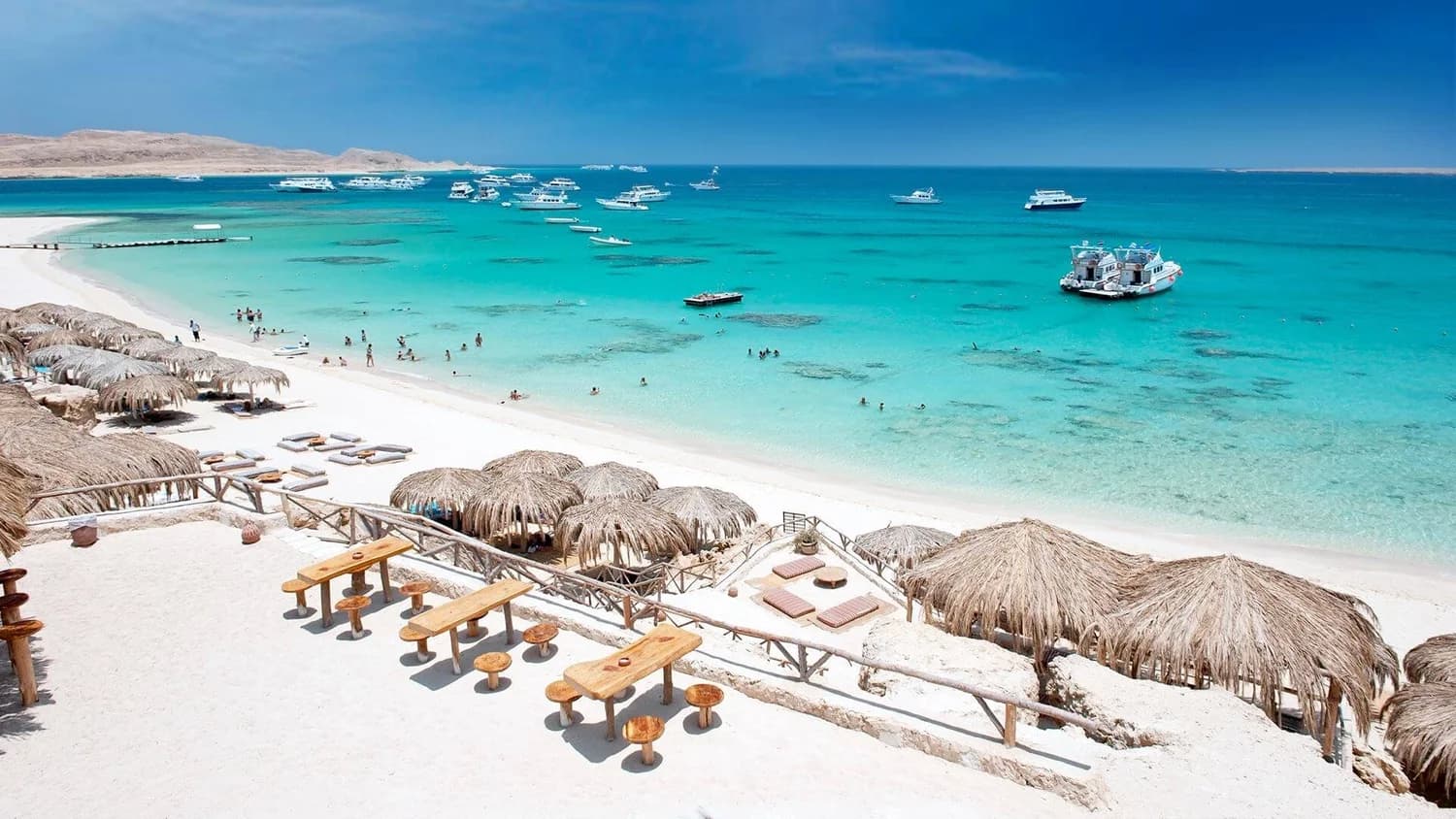
Giftun Island — a small protected island 15km offshore — is the classic Hurghada day trip. A boat ride takes you across the reef, and you spend the day on a sandy beach with snorkeling directly off the island. The reef around Giftun is healthy, the fish diversity is high, and the water is clear. Most trips include lunch on the island, snorkel rental, and time for swimming and relaxation. The island has basic facilities — a small restaurant, shower facilities — and is populated with day-trippers from every resort in Hurghada. It is not the most pristine or exclusive reef experience, but it is accessible, reliable, and genuinely good.

EgyptBound insider

Book the trip through your hotel or a dive shop rather than with beach touts — the price is the same and the operator is verified. Early morning departures (around 8am) are less crowded than late-morning ones. Bring reef-safe sunscreen; the sun reflects intensely off white sand and shallow water. The snorkeling is best in the early hours before the water gets churned by swimmers and boats. Bring a waterproof camera if you have one — the fish life is worth documenting. The lunch is usually fresh grilled fish and salad; it is reliably decent. If you are a stronger swimmer, swim along the reef edge rather than the shallow lagoon — the deeper water has larger fish and better views.

Add to my itinerary →
Diving the Main Reefs (Careless, Fanadir, Abu Ramada)
02Best time · October to AprilEntry · From $50–80 per dive (2 tanks) — guide, equipment, boat transport included

Diving the Main Reefs (Careless, Fanadir, Abu Ramada)

Hurghada's main diving is on reefs within 10–30km of the coast — Careless Reef (a pinnacle of coral with steep walls), Fanadir (shallow and house-reef-like with excellent fish life), and Abu Ramada (a small island surrounded by reef). These sites offer the same world-class Red Sea diving as more remote locations but are accessible by small boat in under an hour, making them ideal for day diving. The reefs are healthy, the fish life is prolific, and the diving is suitable for recreational divers with basic certification. Morning dives are clearer; afternoon dives are often choppy. Most dive shops run two-tank morning dives daily.

EgyptBound insider

Choose a dive shop based on diver reviews on Google and TripAdvisor rather than the size or resort affiliation — the best operators are often independent shops that have been running for years and have loyal customers. Ask about the guide's experience; good guides know where the turtles and larger fish congregate. Book the night before; popular shops fill up. Bring a dive log if you have one — the best shops keep proper records. The Red Sea current can be strong in afternoon; morning dives are safer and more controlled. If you are nervous about open-water diving, these reefs have calm shallow sections where you can do a discover dive with an instructor.

Add to my itinerary →
Red Sea Coastline Drive
03Best time · October to AprilEntry · Car rental $25–40 per day; or guided coastal tour from $45

Red Sea Coastline Drive

The coastline north and south of Hurghada features dramatic red and yellow sandstone cliffs rising directly from the water — geological formations that are among the most striking in Egypt. A drive north toward Safaga or south toward El Quseir follows the coast with frequent pullouts and small Bedouin settlements. The landscape is desert meeting the sea at the clifftops, creating a sense of emptiness and scale. Small restaurants dot the coastal road, serving simple food with Red Sea views. This is Egypt's least-crowded coastline and the most scenic.

EgyptBound insider

Rent a car with a driver rather than driving yourself unless you are comfortable with narrow coastal roads and minimal signage. The road quality varies; some sections are excellent, others rough. Drive north toward Safaga (about an hour) or south toward El Quseir (similar distance) — both directions offer views. Stop at small restaurants along the way; the seafood is fresh and the locations are dramatic. Bring water and sunscreen; there is little shade on this route. The late afternoon light on the cliffs is extraordinary — timing the drive for sunset is worth the planning. Some tours include a Bedouin village visit or a stop at smaller reefs inaccessible by boat.

Add to my itinerary →
Hurghada Marina & Town Centre
04Best time · October to AprilEntry · Free to walk — restaurants and shops charge for purchases

Hurghada Marina & Town Centre

Hurghada's marina is the heart of the town — a developed waterfront with restaurants, shops, cafés, and a promenade. It is touristy but functional; you can eat well, buy supplies, book tours, and observe the mix of tourists, Egyptian workers, and Bedouin guides that keeps the town running. The marina is busy in the evening when families and couples come for dinner, and it is a good place to understand Hurghada's character as a resort town without being isolated in an all-inclusive bubble.

EgyptBound insider

Eat at one of the smaller restaurants on the promenade rather than the tourist-facing ones with extensive English menus — the quality is higher and the prices are lower. Ask locals for recommendations. The marina has a few shops worth visiting; several independent dive shops operate here and are reliable. Walk the promenade at sunset when the light is good and the crowds are lighter. The town's character becomes visible if you stay past dinner — the workers return, the pace slows, and the division between tourist zone and actual town becomes less distinct. A cold drink at a café and people-watching is a legitimate evening activity.

Add to my itinerary →
Hot Water Wrecks & Technical Diving
05Best time · October to AprilEntry · From $70–100 per dive — advanced certification required

Hot Water Wrecks & Technical Diving

Hurghada has several wrecks — most notably the Dunraven and the Carnatic — sitting in deeper water with substantial current. These sites require advanced certification and dive experience, but they offer a different kind of diving than the house reefs. Wrecks are colonized by coral and fish; diving them is technically challenging and visually rewarding. The dives are usually deeper (25–40 metres) and require understanding current and navigation. Most dive shops offer wreck dives for certified divers; some have specialized training.

EgyptBound insider

Only dive wrecks if you have the certification and recent experience — these are not beginner dives and conditions can be rough. Choose a dive shop with specific wreck experience; not all shops run them regularly. Ask about the guide's wreck-diving background and recent dives. Bring a slate and pencil if you have one; visibility can vary and communication underwater is important. The wrecks are worth the effort if deep diving interests you; the visibility and fish life are better than many tropical wreck sites. Morning dives are significantly calmer than afternoon ones.

Add to my itinerary →
City intelligence

What you need to know before Hurghada

Honest framing — the annoying bits and what actually works.

Getting there

Hurghada International Airport (HRG) receives regular international charter flights from Europe (especially UK, Germany, and Eastern Europe) during winter months (October–April), and year-round flights from Cairo (1hr, from EGP 600 on EgyptAir and Nile Air). The road from Cairo is approximately 470km and takes 7–8 hours by car or bus. Direct buses run from Cairo (numerous companies including Super Jet and Go Bus, departing throughout the day, around EGP 80–150). Driving the Red Sea coast from Luxor or Aswan is also possible (approximately 6–8 hours depending on exact location). The drive is scenic desert coastline for much of the distance. Most international tourists fly directly into Hurghada; Egyptians and regional travellers often take the bus.

Getting around

Hurghada stretches over 40km along the coast, divided into zones: the marina area (central), the mid-zone (hotels and water-sports), and the southern zone (beach clubs and resorts). Walking between zones is impractical; taxis are cheap and plentiful (negotiate the price before entering). Uber does not operate in Hurghada. Most divers and water-sports enthusiasts stay at or book through resorts, which provide shuttle transport to dive shops and water-sports facilities. Car rental is available from the airport and town centre for coastal drives or exploring beyond Hurghada. The town is designed for tourists; navigation is straightforward once you understand the basic zones.

Safety & scam radar

  • Dive shop pressure to book with in-house instructors — get independent recommendations from other divers and choose based on reviews rather than pressure from your hotel.
  • All-inclusive resort packages that are not actually all-inclusive — confirm what is and is not covered before booking (some drinks, activities, and meals are excluded).
  • Taxi drivers claiming meters are 'broken' and quoting inflated fixed prices — agree on a price before entering. Use the hotel's recommended taxis or Uber-like apps if available.
Full safety guide →
Accommodation

Where to stay in Hurghada

Three honest tiers — search opens in a new tab on Hotellook.

Under $30/night

Budget

Central Hurghada — marina area or mid-zone

Budget hotels in Hurghada are modest but abundant — small guesthouses, budget chains, and Egyptian-owned hotels in the town centre and mid-zone offer rooms at low prices. Air-conditioning and basic amenities are standard. Many budget places lack pool facilities but are within walking distance of the beach and marina. The trade-off is location in busier areas rather than isolated resorts. Book ahead during peak season (November–February); the rest of the year walk-ins are usually fine.

EgyptBound pick: Hurghada Dreams Hotel

Search budget hotels →
$30–100/night

Mid-range

Mid-zone — beach access, pool, dive-shop proximity

Mid-range Hurghada offers a pool, beach access, and usually breakfast included. Several three and four-star hotels operate independently or as smaller chains, offering better value than mega-resorts. Many cater to divers and include partnerships with dive shops, arranging early-morning pickups. The atmosphere is more authentic than all-inclusive resorts and more comfortable than budget guesthouses.

EgyptBound pick: Stella Hotel Hurghada

Search mid-range hotels →
$100+/night

Luxury

Southern zone — beachfront resorts

Hurghada's luxury tier is anchored by large international resort chains — Sofitel, Marriott, Hilton, Oberoi — offering pools, multiple restaurants, spas, and water-sports facilities. Many are all-inclusive with varying definitions. The advantage is infrastructure and convenience; the disadvantage is isolation from the town and higher prices. For the same cost, smaller independent luxury hotels offer more character and better dining.

EgyptBound pick: Sofitel Red Sea Hurghada

Search luxury hotels →

Affiliate disclosure: we earn a small commission on qualifying bookings at no extra cost to you.

Book with locals

Guided experiences in Hurghada

Skip the guesswork — vetted operators, clear durations, real reviews on the partner site.

Full-day Giftun Island snorkel trip — HurghadaHeritage

Full-day Giftun Island snorkel trip

Full day (8–9 hours) · From $40

Via GetYourGuide

Check availability →

Know a great local guide in Hurghada? Partner with EgyptBound →

Local eats

Five plates worth hunting in Hurghada

  • TaminaSit-down

    A seafood-focused restaurant on the marina serving fresh fish, lobster, shrimp, and traditional Egyptian seafood dishes. The setting is waterfront with views of the boats. Prices are moderate by international standards, high by local standards. The fish is grilled simply and served with salad and bread.

    $8–16
  • Abu Tig Marina KioskStreet food

    Small vendors on the marina selling fresh grilled fish, kebabs, and simple Egyptian food — ful, ta'ameya, kofta. Cash only, quick service, eaten standing or taken away. Under EGP 30 for a full meal. The most authentic eating in the tourist zone.

    $0.50–2
  • Red Sea GrillSit-down

    An upmarket beachfront restaurant with panoramic Red Sea views, grilled seafood, and international menu options. More formal than other options, with table service and a broader wine list. The location is the point; the food is reliably good.

    $12–22
  • Citrus RestaurantSit-down

    A mid-range restaurant on the marina serving Egyptian and Mediterranean cuisine — fresh salads, grilled meats, seafood, and international options. Casual atmosphere, friendly staff, reliably good food. Popular with locals and repeat visitors.

    $5–12
  • Beach Club Fresh JuiceStreet food

    A simple juice stand on the waterfront pressing fresh mango, orange, papaya, and watermelon to order. Cold drinks, quick service, cheap prices. The mango juice on a hot afternoon is the best value in Hurghada.

    Under $0.75

Not sure where to start in Hurghada?

Chat with a local expert. We'll review your itinerary, answer your specific questions, and save you from the tourist traps most guides won't mention.

  • 30-minute WhatsApp consultation
  • Honest answers — we're not selling tours
  • From $15 per session
Chat on WhatsApp →

Opens WhatsApp in a new tab.

Travellers helped
200+
Average response
Under 2 hours
Satisfaction
★★★★★
Or use the itinerary form →
Deep dives

Read before you go

Field notes, safety context, and routes we'd send a friend.

All articles

Full Hurghada guide — coming soon

We're expanding this hub. Get a human to sanity-check your dates and route today.

Get notified →

Full Hurghada guide — coming soon

We're expanding this hub. Get a human to sanity-check your dates and route today.

Get notified →

Full Hurghada guide — coming soon

We're expanding this hub. Get a human to sanity-check your dates and route today.

Get notified →

Ready to book transport? Search flights (Aviasales) →